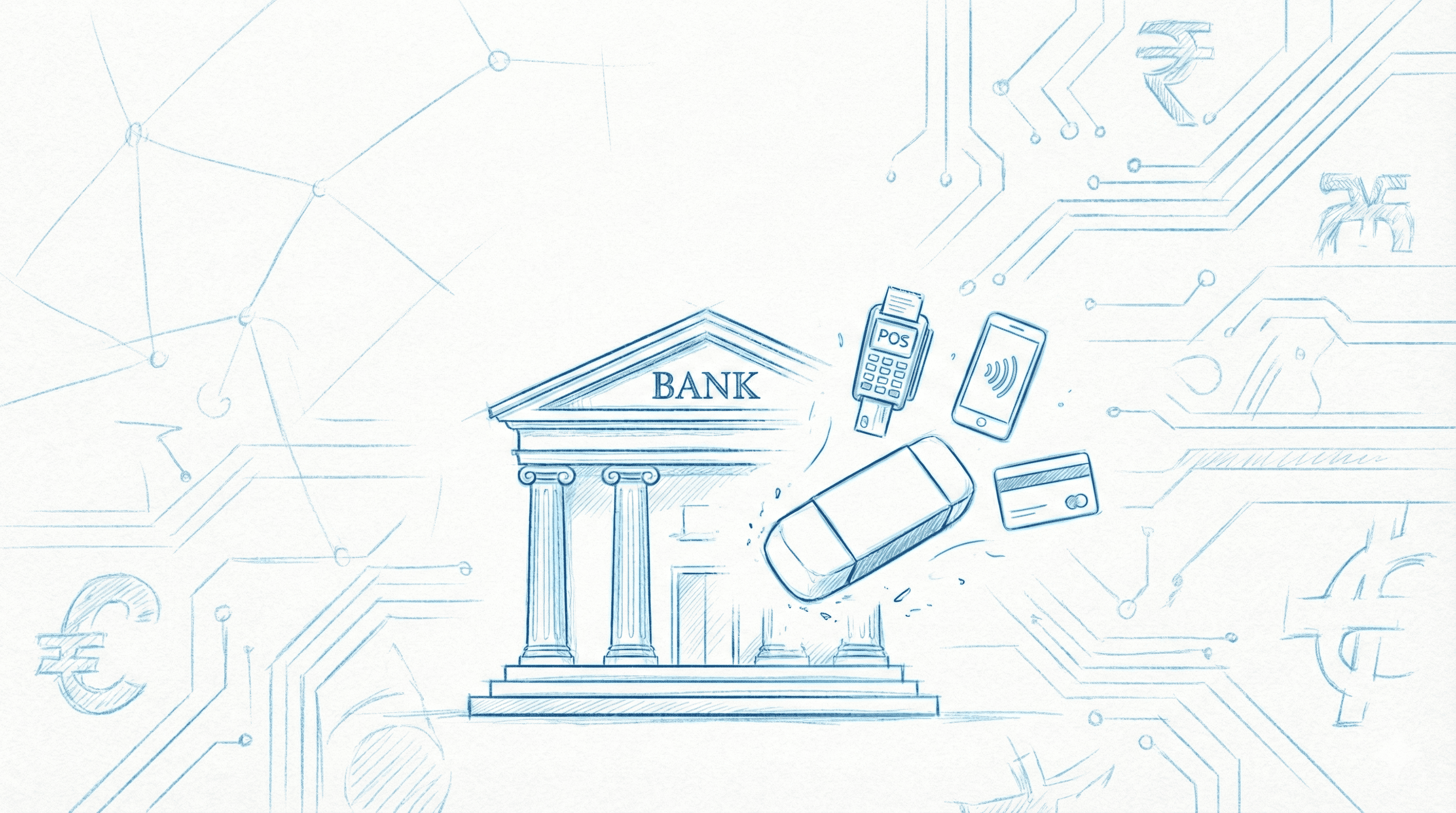
Nigeria’s Banking Reset: 229 Branches Close as POS and Digital Payments Explode
Something big is shifting in Nigeria’s banking space—and you can feel it. The long queues, crowded banking halls, and endless waiting are slowly fading. In their place? Fast digital payments, POS agents on every corner, and mobile banking that works in seconds.
According to the Central Bank of Nigeria (CBN), 229 physical bank branches shut down within a year, based on its 2024 Financial Sector Statistical Bulletin. Even though the number of licensed banks increased from 33 to 35, the total number of branches and cash centres dropped from 5,373 to 5,144.
This isn’t random—it’s a clear signal. Nigerians are choosing speed and convenience over physical banking.
The POS Boom: What the Numbers Say
If there’s one clear winner in this shift, it’s POS terminals. They’ve gone from being a backup option to becoming the backbone of everyday transactions.
| Metric | 2023 | 2024 | Trend |
|---|---|---|---|
| POS Transaction Volume | 9.85 Billion | 13.08 Billion | +33% |
| POS Transaction Value | ₦110.35 Trillion | ₦223.27 Trillion | More than doubled |
| ATM Transaction Volume | 1.01 Billion | 1.02 Billion | Almost unchanged |
| ATM Transaction Value | ₦28.21 Trillion | ₦29.12 Trillion | Minimal growth |
What stands out is how quickly POS transactions are growing compared to ATMs. People are no longer relying on banks for daily cash needs—they’re walking to the nearest agent instead.
With over ₦223 trillion moving through POS channels, digital liquidity is massive. As money moves faster, exchange rate awareness becomes even more important. If you’re dealing with foreign currency, always check the latest black market rates or track the live Dollar to Naira rate before making decisions.
Where Bank Branches Are Disappearing
The closures didn’t happen evenly across the country. Some states saw sharp declines, while others actually gained branches.
- Ebonyi State: Dropped from 120 branches to just 31.
- Lagos State: Lost 11 branches but still leads with 1,521 locations.
- Niger State: Down by 32 branches.
- Oyo State: Lost 26 branches.
- Delta State: Added 6 new branches.
- Rivers State: Added 8 new branches.
So it’s not just closures—banks are repositioning. They’re pulling out of some areas while strengthening presence in others.
What’s Driving This Shift?
1. Fintech Is Winning Customers
Nigerian fintech companies are setting a new standard. Platforms like OPay and Moniepoint have made transfers faster and more reliable, which is exactly what people want.
According to KPMG Nigeria, many customers are frustrated with delays from traditional banks. Fintech apps are filling that gap with smoother experiences and fewer failed transactions.
2. Cash Is Harder to Access
Let’s be honest—getting cash from ATMs isn’t as easy as it used to be. “Unable to dispense cash” has become a familiar message.
That’s where POS agents come in. They’ve become the everyday solution, even if it means paying a small fee just to withdraw your own money.
What This Means for You
Banking in Nigeria is changing quickly. Physical branches matter less now, while digital access matters more.
Whether you’re sending money, running a business, or exchanging currency, staying informed gives you an edge. For example, if you need quick conversions, you can use the currency converter or quickly check values like $100 to Naira.
The bottom line is simple: the system is evolving, and adapting early puts you in a better position.
Final Thoughts
Nigeria’s banking reset is already happening. Fewer branches, more digital transactions, and a stronger reliance on POS agents are shaping how money moves every day.
If you deal with foreign exchange, don’t rely on guesswork. Stay updated with real-time rates directly on Aboki Dollar so you always know where the Naira stands.