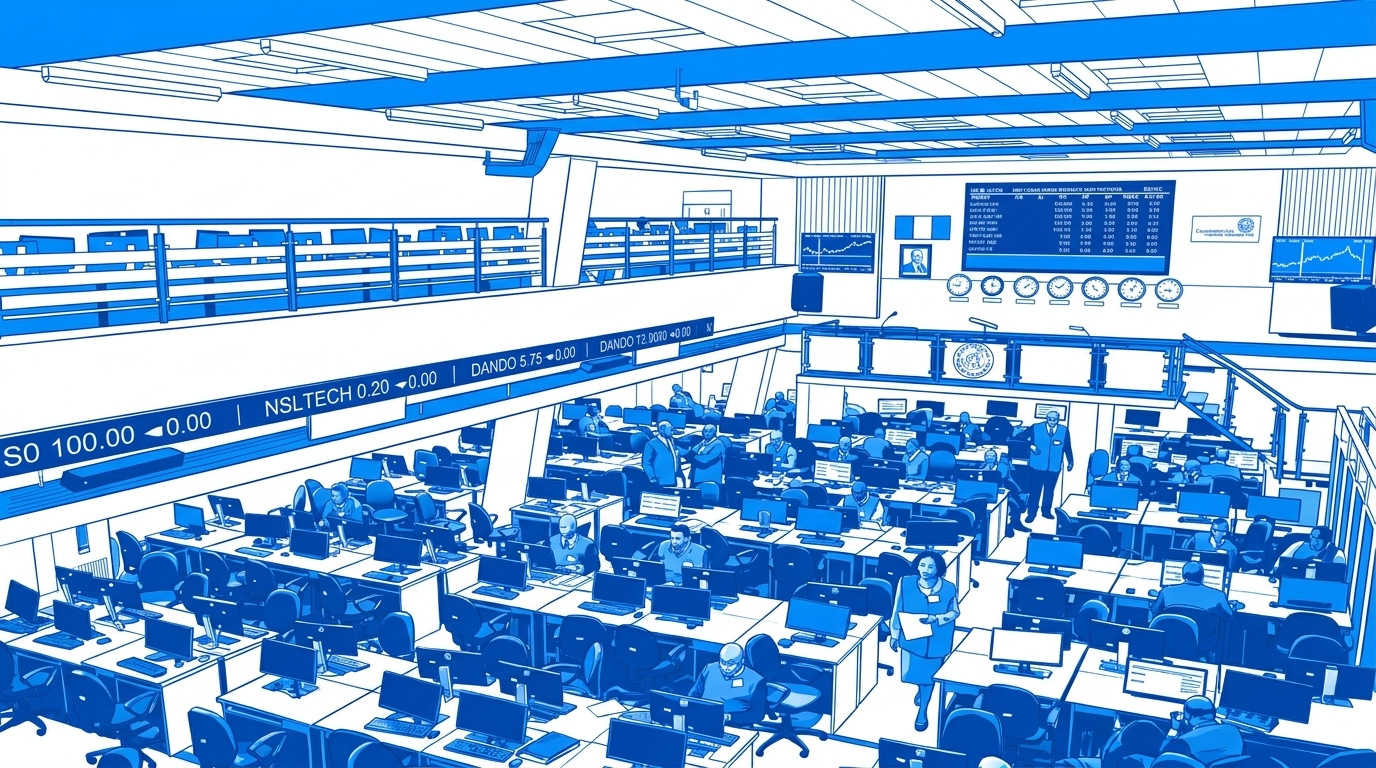
Nigeria’s stock market is extending its strong run in 2026, with the Nigerian Exchange (NGX) delivering roughly a 73% return in US dollar terms and ranking among Africa’s best-performing equity markets.
Data reported on September 7 showed the NGX had produced a 73.1% dollar return as of September 4, putting Nigeria ahead of the other African exchanges tracked in the comparison. The result reflects two forces working together: rising Nigerian share prices and a naira that has been more stable against the US dollar than it was during the sharp currency declines of previous years. Naija247news reported the figure from African Markets data.
Nigeria’s stock market gains widen its lead
The latest figures mark a major improvement from earlier in the year. By June 24, African Markets data put Nigeria’s dollar return at 59.5%, already the highest among 17 African exchanges being tracked at the time. The NGX has continued to climb since then, despite periods of profit-taking and market volatility.
Another market comparison from Mansa Markets placed Nigeria’s NGX All-Share Index at a 75.4% dollar return as of September 4. Its local-currency gain stood at 58.7%. The difference between the two dollar figures reflects differences in data sources, calculation dates and methodology, but both datasets point to the same broad result: Nigerian equities have been among the strongest performers in Africa this year.
For investors measuring returns in dollars, the currency component matters just as much as the movement in share prices. A market can rise sharply in its local currency while producing a much smaller dollar return if its currency loses value against the US dollar.
Why the naira matters to dollar investors
Nigeria’s currency has been relatively steadier in 2026 compared with the steep depreciation seen during earlier periods of foreign exchange pressure. That has allowed gains in Nigerian shares to translate more effectively into dollar returns.
The relationship is straightforward. If an investor buys Nigerian shares and the NGX rises while the naira remains stable, the investor keeps more of the stock-market gain after converting the investment back into dollars. If the naira falls sharply during the same period, part of the equity gain can disappear through currency losses.
This is one reason the 2026 performance stands out. The NGX has not relied solely on rising share prices. More stable foreign exchange conditions have also helped dollar-based returns.
Readers tracking the currency side of the story can follow Aboki Dollar’s dollar to naira black-market rate and compare it with the CBN exchange rate.
Banking stocks remain central to the rally
Financial companies have been among the major contributors to Nigeria’s stock-market gains. Nigerian banks have attracted investor attention as lenders work through recapitalisation requirements, stronger earnings and expectations surrounding the country’s broader economic reforms.
The banking sector is also closely tied to changes in interest rates, foreign exchange activity, credit demand and corporate earnings. Those factors can produce large movements in bank valuations when investors expect stronger financial results.
Insurance companies and other listed financial firms have also recorded sharp gains, although individual share performance varies widely. The broad NGX result should not be interpreted as meaning every listed company has produced a similar return.
Nigeria is competing strongly with other African markets
Nigeria’s performance comes during a strong year for several African stock exchanges. Ghana, Zimbabwe and the BRVM regional exchange have also recorded large gains in dollar terms.
Data published by Mansa Markets on September 4 ranked Nigeria first with a 75.4% dollar return, followed by Ghana at 62.2% and the BRVM at 55.8%. Zimbabwe recorded a 65.2% local-currency gain, although its dollar return was not listed in that comparison because of currency-conversion limitations.
Separate research from Cytonn also showed strong performance across several African markets during the first half of 2026. Its dollarised figures placed Ghana and Nigeria among the leading performers, reinforcing the wider strength seen across African equities this year.
A strong return does not remove investment risk
A 73% dollar return is an impressive year-to-date figure, but it should not be treated as a promise of similar gains ahead. Stock prices can fall after extended rallies, and currency movements can quickly change the return received by investors who measure their wealth in dollars.
Valuations are another consideration. When prices rise quickly, investors may begin questioning whether company earnings can keep pace with share prices. Nigeria’s potential return to frontier-market indices could also affect foreign investor flows, although index-related changes do not guarantee future market gains.
The size of the rally also means that investors should distinguish between the performance of the entire NGX and the return of an individual stock. The index represents a basket of companies, while a single share can perform very differently.
What the 73% dollar return means for Nigeria
Nigeria’s stock-market performance gives the country a stronger position in the African investment conversation. The combination of rising equities and improved currency stability has produced returns that stand out well beyond Nigeria’s domestic market.
It also signals how closely Nigeria’s stock market and foreign exchange market remain connected. Changes in the naira can affect the returns seen by international investors, while stronger investor demand for Nigerian assets can influence sentiment toward the country.
For Nigerians following the market from home, the headline figure is useful, but the wider picture matters more. Share prices, corporate earnings, interest rates, foreign exchange conditions and investor flows will all shape whether the rally can continue through the rest of 2026.
For the latest currency movements, readers can also use Aboki Dollar’s currency converter to check dollar-to-naira conversions.
Read More on Aboki Dollar: