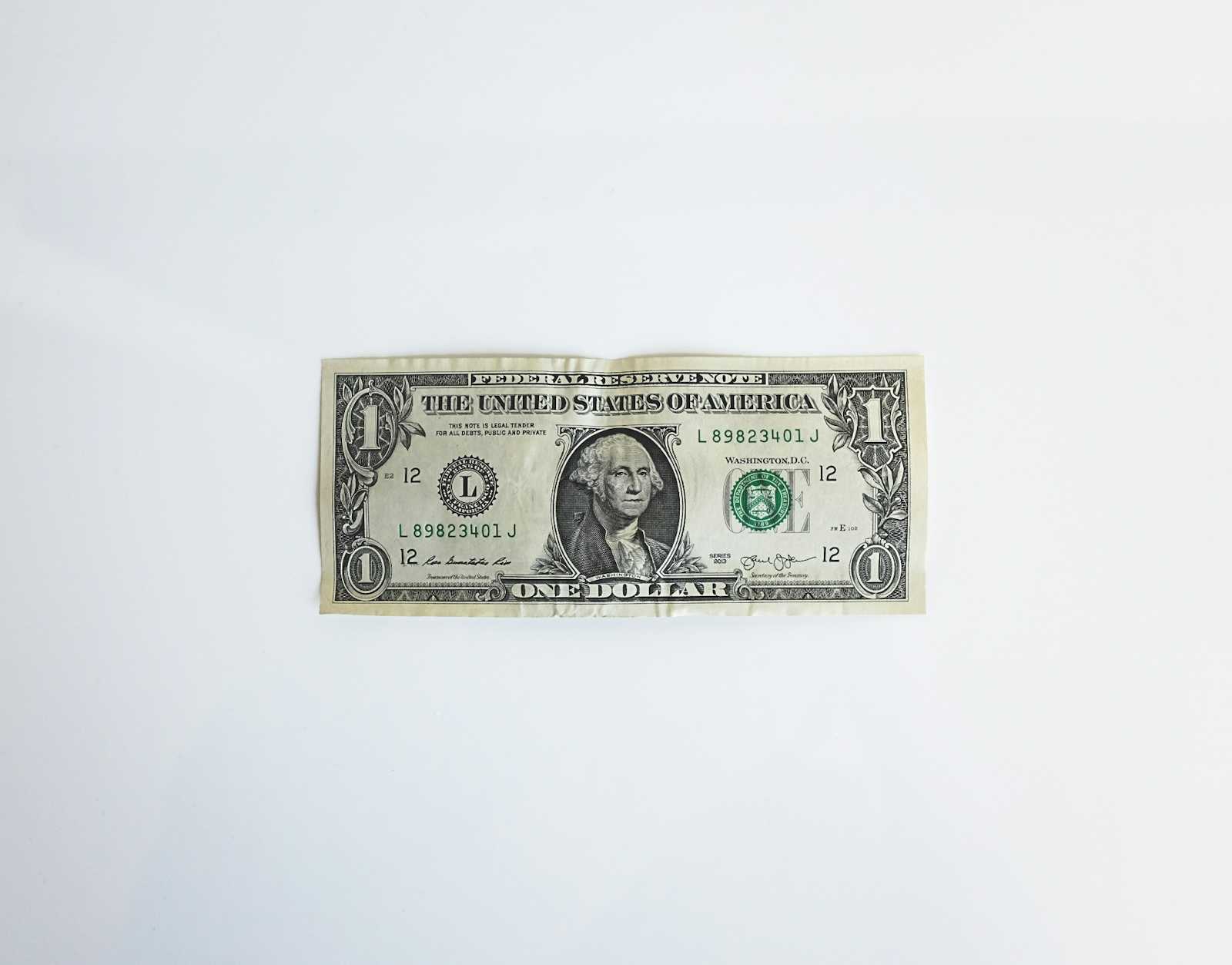
Dollar vs. Naira: Official Rate vs. Black Market Today, and What It Means for You
Exchange rates affect almost everything in Nigeria—from school fees and online shopping to business pricing and remittances. If you’ve ever checked the dollar to naira rate, you’ve probably noticed something confusing: there isn’t just one rate.
There’s the official rate from the Central Bank of Nigeria (CBN) , and then there’s the black market rate used in everyday transactions.
The difference between these two numbers is what shapes real financial decisions in Nigeria.
Today’s Dollar to Naira Rates
Official Rate (CBN / NAFEM)
The official exchange rate is set through regulated channels and used by banks and financial institutions.
👉 Check latest updates here: CBN dollar to naira rate
Black Market Rate
The black market rate reflects what people actually pay to buy dollars quickly when official access is limited.
👉 See live updates: dollar to naira black market rate
Quick Comparison
| Market | Typical Rate Range | Access |
|---|---|---|
| Official (CBN) | Lower, regulated | Limited access |
| Black Market | Higher, demand-driven | Widely accessible |
Even a small gap between these rates can have a big financial impact.
Why There’s a Gap Between the Rates
1. Dollar Supply Is Limited
Nigeria’s demand for foreign currency is higher than what’s available through official channels.
2. High Demand Across the Economy
Businesses, students, travelers, and households all need dollars at the same time, creating pressure on supply.
3. Access Restrictions
Not everyone can get dollars from banks, so many people turn to the parallel market.
The result is simple: the black market reflects real demand, while the official rate reflects controlled pricing.
What This Means for You
Forex & Crypto Traders
Traders track both rates to find opportunities, but price swings can quickly erase gains.
Students & Families
If you’re paying fees abroad, even a ₦10 difference per dollar can add significant cost.
Remittance Receivers
The rate used determines how much naira you receive from dollars sent home.
👉 Example: $100 to naira conversion
Online Shoppers
Prices on international platforms depend on the current exchange rate, affecting how much you pay in naira.
Businesses & Importers
Many businesses use the black market rate when pricing goods, since it reflects their actual cost of sourcing dollars.
How to Use the Rate Difference Smartly
- Compare rates before making transactions
- Transfer funds when the gap is smaller
- Use reliable platforms and verified dealers
- Track daily updates before committing
👉 Use the currency converter for quick calculations.
Will the Gap Close?
The gap between official and black market rates can narrow when dollar supply improves, but it tends to widen again when demand increases.
Policies from the CBN, foreign investment, and export earnings all play a role in shaping this trend.
For now, Nigeria continues to operate with both rates side by side.
Conclusion
The difference between the official and black market exchange rates isn’t just a technical detail—it affects real money decisions every day.
Whether you’re sending money, paying for services, or running a business, staying updated helps you make better financial choices.
👉 For real-time updates, visit Aboki Dollar
FAQs
Why are there two dollar to naira rates?
Because the official market cannot meet total demand, leading to a parallel market.
Which rate should I use?
Use the official rate if accessible, otherwise the black market rate reflects real transaction costs.
Is the black market rate legal?
It is informal but widely used across Nigeria.
Does the rate change daily?
Yes, especially the black market rate, which can change multiple times a day.
Where can I check live rates?
Visit Aboki Dollar rates page .